Learn ERP Software: Detailed Knowledge, Implementation Guide, Compliance Rules & Expert Insights
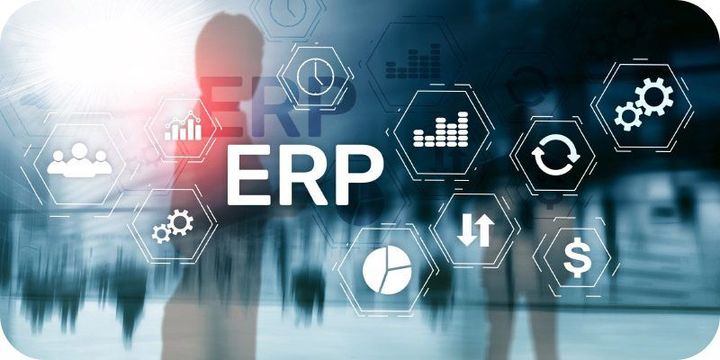
Enterprise Resource Planning (ERP) software is a type of integrated enterprise software system designed to manage and automate core business processes within a single centralized platform
An ERP system connects departments such as finance, human resources, inventory management, procurement, manufacturing, and customer relationship management through a unified database.
Before ERP solutions were developed, organizations often used separate software tools for accounting, payroll, supply chain management, and reporting. This created data silos, duplication of work, and inconsistent reporting. Enterprise resource planning systems were created to solve these inefficiencies by centralizing information and standardizing workflows.
ERP software solutions typically include modules such as:
-
Financial management software
-
Supply chain management system
-
Human resource management system
-
Inventory and warehouse management
-
Customer relationship management integration
-
Business intelligence and analytics dashboards
The main goal of ERP software is business process automation and enterprise software integration. By aligning data across departments, companies can improve decision-making, compliance reporting, and operational efficiency.
ERP platforms can be deployed in different environments:
-
On-premises ERP systems hosted internally
-
Cloud ERP platforms hosted on remote infrastructure
-
Hybrid ERP architecture combining both models
Cloud ERP adoption has increased rapidly due to scalability, remote access, and continuous updates. ERP implementation strategy now often aligns with broader digital transformation strategy goals within organizations.
Importance: Why ERP Software Matters Today
ERP systems play a significant role in modern business operations. As companies grow, data complexity increases. Without centralized enterprise resource planning systems, managing finance, supply chain, workforce, and compliance becomes fragmented.
ERP software matters today because it addresses several critical challenges:
-
Data fragmentation across departments
-
Manual data entry and reporting errors
-
Limited real-time visibility into operations
-
Regulatory compliance tracking difficulties
-
Inefficient resource allocation
Organizations across industries—manufacturing, healthcare, retail, logistics, education, and government—rely on ERP solutions for structured workflow management.
Key Benefits of ERP Systems
-
Improved data accuracy through centralized databases
-
Real-time analytics dashboards for informed decisions
-
Standardized financial reporting
-
Automated procurement and inventory tracking
-
Better regulatory compliance documentation
-
Enhanced collaboration between departments
ERP systems also support:
-
Budget forecasting
-
Risk management reporting
-
Enterprise compliance management
-
Multi-location operations tracking
The growing focus on digital transformation strategy has made ERP software an essential foundation for integrating artificial intelligence, data analytics, and automation tools into business environments.
ERP adoption affects:
-
Business owners seeking operational visibility
-
Finance professionals managing regulatory reporting
-
HR teams handling workforce data
-
IT departments managing enterprise infrastructure
-
Supply chain managers monitoring inventory flow
As organizations move toward automation and data-driven governance, ERP software solutions provide the backbone for enterprise-level decision-making.
Recent Updates and Trends in ERP Software (2025)
ERP technology continues to evolve. Over the past year, several key trends have shaped enterprise software integration and cloud ERP platforms.
AI Integration in ERP Systems
In 2025, artificial intelligence features are increasingly embedded within ERP platforms. AI-driven forecasting tools help with:
-
Predictive inventory management
-
Automated anomaly detection in financial transactions
-
Intelligent workforce planning
These updates enhance data analytics dashboard capabilities and support real-time operational insights.
Increased Cloud ERP Adoption
According to 2025 industry reports, cloud ERP adoption continues to rise globally, particularly among mid-sized enterprises. Organizations are shifting from legacy systems to scalable cloud ERP platforms to improve flexibility and cybersecurity management.
Cybersecurity and Compliance Enhancements
Following global data protection concerns in 2024, ERP vendors enhanced:
-
Multi-factor authentication
-
Data encryption standards
-
Audit trail transparency
-
Compliance reporting modules
Industry-Specific ERP Customization
In 2025, ERP vendors have focused on industry-specific modules. For example:
-
Healthcare ERP for regulatory compliance management
-
Manufacturing ERP for production lifecycle monitoring
-
Retail ERP for omnichannel inventory tracking
These trends indicate that ERP systems are no longer one-size-fits-all platforms but specialized enterprise software ecosystems.
ERP Implementation Guide and Process Overview
Implementing enterprise resource planning systems requires structured planning. An ERP implementation strategy typically includes several phases:
| Implementation Phase | Key Activities | Outcome |
|---|---|---|
| Requirement Analysis | Identify business needs, workflows, compliance requirements | Defined project scope |
| System Design | Configure modules, define data structure | Customized ERP setup |
| Data Migration | Transfer legacy data to new system | Centralized database |
| Testing | Functional and integration testing | Error reduction |
| Training | User education and documentation | Adoption readiness |
| Go-Live | System deployment | Operational ERP system |
Successful ERP implementation depends on:
-
Executive leadership involvement
-
Clear digital transformation strategy
-
Employee training programs
-
Continuous monitoring and feedback
Common challenges include:
-
Resistance to change
-
Data migration errors
-
Inadequate process mapping
-
Underestimated timeline
A structured approach reduces operational disruptions and ensures smooth enterprise software integration.
Laws and Policies Affecting ERP Systems
ERP software usage is influenced by national and international regulations, especially in areas related to data protection, taxation, and financial reporting.
Data Protection Regulations
In India, the Digital Personal Data Protection Act, 2023 impacts how ERP systems manage personal and employee data. Organizations must ensure:
-
Secure data storage
-
Consent-based data handling
-
Audit logs for compliance verification
Globally, similar frameworks such as the General Data Protection Regulation (GDPR) influence ERP compliance management systems.
Taxation and Financial Reporting
ERP financial modules must align with:
-
Goods and Services Tax (GST) reporting requirements in India
-
Corporate tax compliance standards
-
Digital invoicing regulations
Automated tax reporting tools within ERP software help organizations maintain regulatory accuracy.
Industry Compliance Standards
Certain industries must follow:
-
ISO quality management standards
-
Environmental reporting requirements
-
Labor law documentation norms
ERP compliance management features assist with maintaining documentation and generating regulatory reports.
Tools and Resources Related to ERP Software
Several tools and educational resources support understanding and managing ERP systems.
ERP Software Platforms
-
SAP
-
Oracle
-
Microsoft
-
Odoo
These platforms provide enterprise resource planning systems with modules for financial management, supply chain tracking, and analytics dashboards.
Project Management Tools
-
Atlassian (Jira platform)
-
Asana
These tools assist with ERP implementation tracking and milestone monitoring.
Data Analytics Tools
-
Tableau
-
Microsoft (Power BI platform)
Analytics platforms integrate with ERP systems for reporting and performance dashboards.
Learning Resources
-
Coursera
-
edX
These platforms provide structured learning on ERP fundamentals, enterprise software integration, and digital transformation strategy.
Frequently Asked Questions
What is the primary purpose of ERP software?
ERP software centralizes business data and automates core processes such as finance, inventory, HR, and procurement within one integrated system.
How long does ERP implementation usually take?
Implementation timelines vary based on organization size and complexity. Small enterprises may complete implementation within several months, while large enterprises may require a year or longer.
Is cloud ERP secure?
Modern cloud ERP platforms use encryption, multi-factor authentication, and regulatory compliance controls. Security depends on configuration and adherence to data protection policies.
Who uses ERP systems?
ERP systems are used by finance teams, HR departments, supply chain managers, IT administrators, and executive leadership in both private and public sector organizations.
Can ERP systems integrate with other software?
Yes. Most enterprise resource planning systems support API integration with CRM platforms, payroll systems, e-commerce platforms, and analytics tools.
Visual Overview: ERP Functional Coverage
Below is a simplified representation of ERP module coverage:
Finance & Accounting
████████████████
Supply Chain Management
██████████████
Human Resources
███████████
Inventory Management
████████████
Business Intelligence
██████████
This illustrates how ERP systems unify multiple operational domains into a centralized digital infrastructure.
Conclusion
ERP software plays a foundational role in modern enterprise management. By integrating finance, supply chain, human resources, and analytics into a single platform, enterprise resource planning systems enable structured operations and improved governance.
Recent trends in 2025 show increased cloud ERP adoption, AI-powered automation, and stronger cybersecurity compliance features. Regulatory frameworks such as data protection laws and taxation standards influence how ERP systems are configured and maintained.
A well-planned ERP implementation strategy requires clear objectives, structured change management, employee training, and compliance awareness. When aligned with digital transformation strategy goals, ERP software becomes more than an operational tool—it becomes a central information architecture supporting long-term organizational efficiency.
Understanding ERP fundamentals, legal considerations, implementation processes, and available tools equips professionals and organizations with the knowledge needed to navigate enterprise software integration in a rapidly evolving digital environment.