Solar Panels for Homes: Benefits, Maintenance & Energy Efficiency Tips
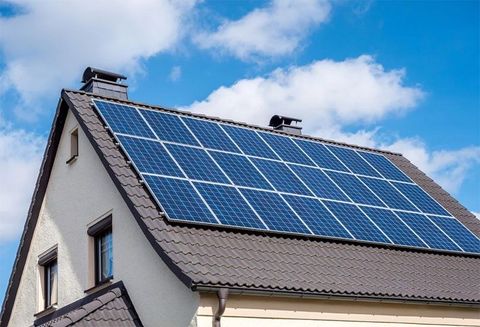
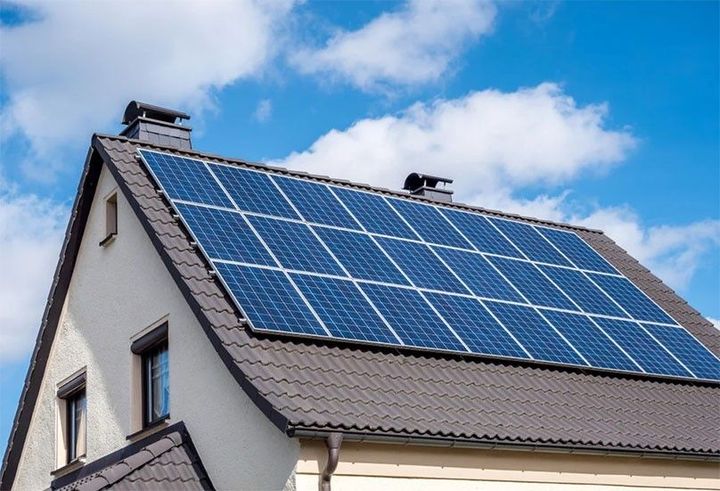
Solar panels for homes are systems designed to capture sunlight and convert it into usable electricity. They exist as a way to harness a renewable energy source that is widely available and naturally replenished. The basic idea is simple: sunlight reaches the panels, photovoltaic cells generate electrical current, and that energy supports household power needs.
Residential solar technology developed in response to growing energy demand and concerns about finite fuel resources. Early systems were limited in efficiency and adoption, but advances in materials and engineering made solar panels more practical for everyday homes.
Today, home solar panels are typically installed on rooftops or open areas with direct sunlight exposure. They work alongside existing electrical systems, contributing to household energy supply while remaining connected to the wider power grid in most cases.
Why Solar Panels Matter Today
Solar panels play an increasingly important role in modern energy discussions. Rising electricity demand, environmental considerations, and long-term energy planning all influence interest in residential solar systems.
This topic matters because solar panels help address several challenges:
-
Energy reliability by diversifying household power sources
-
Environmental impact through reduced reliance on fossil fuels
-
Long-term planning by supporting predictable energy generation
-
Household efficiency by encouraging awareness of energy use
Solar energy affects homeowners, renters in shared buildings, urban planners, and utility providers. As cities grow and energy systems adapt, distributed generation from homes becomes part of broader energy resilience planning.
Understanding solar panels also helps households make informed decisions about energy efficiency, system care, and realistic performance expectations without relying on assumptions or exaggerated claims.
Recent Updates and Technology Trends
The past year has brought several developments that influence residential solar panel use and performance.
Efficiency improvements (early 2024)
In early 2024, manufacturers introduced panels with incremental efficiency gains, allowing more electricity generation from the same roof area. These updates focused on improved cell design and reduced energy loss.
Energy storage integration discussions (mid-2024)
Mid-2024 industry discussions highlighted stronger integration between solar panels and home energy storage systems. This trend supports better energy management during non-sunlight hours.
Grid interaction advancements (late 2024)
Toward the end of 2024, utilities and regulators emphasized smarter grid connections, enabling better monitoring of energy flow between homes and the wider electricity network.
Outlook entering 2025
As 2025 approaches, residential solar is increasingly discussed alongside broader energy efficiency strategies, including insulation improvements and efficient appliances, rather than as a standalone solution.
Table: Recent Focus Areas in Residential Solar
| Focus Area | Primary Goal |
|---|---|
| Panel efficiency | Higher output per area |
| Storage integration | Improved energy balance |
| Smart grid systems | Better monitoring |
| Whole-home efficiency | Coordinated energy use |
Laws, Regulations, and Government Programs
Solar panels for homes are shaped by national, state, and local regulations that aim to ensure safety, grid stability, and standardized installation practices. In the United States, several policy areas influence residential solar adoption.
Building and electrical codes
Solar systems must meet local building and electrical code requirements. These rules address structural safety, wiring standards, and fire prevention.
Interconnection standards
Utilities follow interconnection rules that govern how home solar systems connect to the electrical grid. These standards help maintain grid reliability and safety.
Energy and environmental programs
Federal and state programs support renewable energy adoption through guidance, performance standards, and long-term energy planning initiatives.
Local permitting processes
Municipal authorities typically require permits and inspections for residential solar installations, ensuring systems meet established technical criteria.
Table: Regulatory Areas Affecting Home Solar Panels
| Regulation Area | Purpose |
|---|---|
| Building codes | Structural and fire safety |
| Electrical standards | Safe power flow |
| Grid interconnection | System stability |
| Local permits | Compliance oversight |
Helpful Tools and Educational Resources
Several tools and references help homeowners understand solar panel performance and energy efficiency planning.
Energy assessment and planning tools
-
Solar potential maps showing sunlight exposure by location
-
Roof orientation and shading analysis tools
-
Household energy usage estimators
Monitoring and optimization resources
-
Energy production dashboards
-
Inverter performance trackers
-
Weather-based output comparison tools
Educational and reference materials
-
Government renewable energy portals
-
University extension publications on home energy systems
-
Utility-provided energy efficiency guides
Comparison table: Passive Energy Use vs. Solar-Assisted Energy Use
| Aspect | Passive Use | Solar-Assisted Use |
|---|---|---|
| Energy source | Grid only | Sun plus grid |
| Usage awareness | Limited | Increased |
| Efficiency focus | Appliance-based | System-wide |
Frequently Asked Questions
How do solar panels generate electricity?
They use photovoltaic cells that convert sunlight into electrical current when exposed to light.
Do solar panels work on cloudy days?
Yes, though output is lower. Panels can still generate electricity from diffused sunlight.
How long do residential solar panels typically last?
Many panels are designed to operate for several decades with gradual performance changes over time.
What maintenance do solar panels require?
Basic maintenance includes keeping panels clear of debris and periodically checking system performance indicators.
Does roof direction affect performance?
Yes. Roof orientation, tilt, and shading influence how much sunlight panels receive and how efficiently they operate.
Conclusion
Solar panels for homes represent a practical approach to using renewable energy at the household level. By converting sunlight into electricity, they support energy diversification, environmental goals, and long-term efficiency planning.
Recent updates in panel technology, grid interaction, and energy storage integration show how residential solar continues to evolve. Regulations and safety standards ensure systems operate reliably, while tools and educational resources help homeowners understand performance and maintenance needs.
A neutral, informed perspective on solar panels emphasizes realistic expectations, proper care, and integration with broader energy efficiency efforts. With clear knowledge and planning, households can better understand how solar energy fits into modern living and future energy systems.