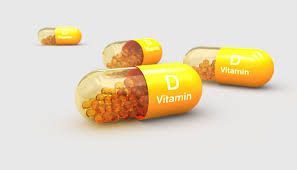
Pharma Manufacturing Guide: Complete Information, Expert Advice, and Manufacturing Resources
Pharma manufacturing refers to the structured process of producing medicines and therapeutic products at scale while maintaining safety, quality, and consistency. This field exists to transform scientific research into usable treatments that meet strict quality standards before reaching patients.
The manufacturing process typically includes formulation, processing, quality testing, packaging, and documentation. Each step is designed to ensure that medicines perform as intended and remain safe throughout their shelf life. Pharma manufacturing bridges the gap between laboratory discovery and real-world medical use.
Over decades, this field has evolved alongside advances in chemistry, biology, engineering, and data analysis. Today, pharmaceutical manufacturing is a highly controlled and regulated discipline that relies on validated processes and precise monitoring to minimize risks and variability.
Why Pharma Manufacturing Matters Today
Pharma manufacturing has a direct impact on global health systems, patients, and public trust. It affects anyone who relies on prescription medicines, vaccines, or essential therapies.
Key reasons this topic is important include:
-
Patient safety through consistent quality and contamination control
-
Public health stability by supporting reliable medicine availability
-
Scientific integrity through reproducible and validated processes
-
Global preparedness for health emergencies and chronic disease management
Modern healthcare depends on dependable manufacturing practices. Interruptions or quality failures can lead to shortages, recalls, or reduced treatment effectiveness. Clear understanding of how medicines are made helps stakeholders appreciate the complexity behind drug availability.
This topic affects researchers, healthcare providers, regulators, and the general public. Even individuals without technical backgrounds benefit from knowing how safety and quality are maintained in pharmaceutical production.
Recent Updates and Industry Developments
The past year has brought several notable changes and trends within pharmaceutical manufacturing.
Digital transformation acceleration (2024)
In early 2024, industry reports highlighted increased use of automation, data analytics, and digital batch records. These tools improve traceability and reduce manual documentation errors.
Continuous manufacturing adoption
Throughout mid-2024, more attention was given to continuous manufacturing models. Unlike traditional batch methods, these approaches allow uninterrupted production, improving consistency and reducing variability.
Supply chain resilience focus
Following global disruptions in previous years, late 2024 discussions emphasized regional manufacturing capacity and diversified raw material sourcing to reduce dependency risks.
Sustainability and waste reduction (2025 outlook)
Entering 2025, manufacturers increased focus on solvent recovery, energy efficiency, and reduced material waste, aligning production with environmental responsibility goals.
Table: Key Manufacturing Trends Observed Recently
| Trend Area | Primary Objective |
|---|---|
| Digital systems | Accuracy and traceability |
| Continuous processes | Consistent output |
| Supply chain planning | Risk reduction |
| Sustainability efforts | Environmental impact |
Regulations, Compliance, and Public Policies
Pharma manufacturing is one of the most regulated industrial activities due to its impact on human health. In the United States, several regulatory frameworks guide how medicines are produced.
Good Manufacturing Practices (GMP)
Current Good Manufacturing Practices (cGMP), enforced by the Food and Drug Administration (FDA), define minimum requirements for facilities, equipment, personnel training, and documentation.
Quality and validation requirements
Manufacturers must validate processes to demonstrate consistent performance. This includes equipment qualification, process validation, and cleaning verification.
Data integrity expectations
Regulatory guidance emphasizes accurate, complete, and secure data handling. Electronic records must meet strict audit and traceability standards.
Government programs and oversight
Federal initiatives support domestic manufacturing capacity and encourage modernization through guidance updates and inspection programs.
Table: Regulatory Focus Areas in Pharma Manufacturing
| Area | Regulatory Purpose |
|---|---|
| cGMP standards | Product safety |
| Validation rules | Process consistency |
| Data integrity | Trustworthy records |
| Inspections | Compliance assurance |
Practical Tools and Educational Resources
Various tools and references support understanding and managing pharmaceutical manufacturing processes.
Process and planning tools
-
Batch size and yield calculation worksheets
-
Equipment capacity planning models
-
Risk assessment templates for process changes
Digital and technical platforms
-
Manufacturing execution systems (MES)
-
Quality management system (QMS) software
-
Electronic documentation frameworks
Educational and reference materials
-
FDA guidance libraries
-
World Health Organization technical reports
-
Academic publications on pharmaceutical engineering
Comparison table: Traditional vs. Digitally Supported Manufacturing
| Aspect | Traditional Approach | Digital Approach |
|---|---|---|
| Documentation | Paper-based | Electronic records |
| Monitoring | Periodic checks | Real-time data |
| Traceability | Manual review | Automated tracking |
Frequently Asked Questions
What is the main goal of pharma manufacturing?
The primary goal is to produce medicines that meet predefined quality, safety, and effectiveness standards consistently.
How is quality maintained during manufacturing?
Quality is maintained through validated processes, controlled environments, trained personnel, and routine testing at multiple stages.
What role does automation play in modern manufacturing?
Automation reduces human error, improves precision, and supports real-time monitoring of critical parameters.
Why is documentation so important in this field?
Accurate documentation provides traceability, supports regulatory review, and helps identify root causes if deviations occur.
Do regulations differ between countries?
Yes. While many principles are shared globally, specific requirements vary by regulatory authority, such as the FDA, EMA, or WHO.
Conclusion
Pharma manufacturing is a cornerstone of modern healthcare, translating scientific innovation into reliable treatments. Its structured processes, strict regulatory oversight, and ongoing technological advancements ensure that medicines remain safe and effective for public use.
Recent developments in digitalization, continuous manufacturing, and sustainability reflect the field’s evolving priorities. With access to clear information, regulatory guidance, and practical tools, stakeholders can better understand how pharmaceutical products are made and safeguarded.
A neutral, educational perspective on pharma manufacturing highlights its complexity while reinforcing its essential role in protecting health and supporting medical progress.