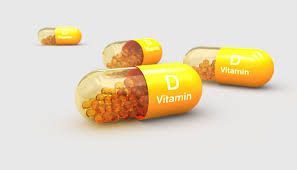
Vitamin D Supplement Explained: Dosage, Benefits, Safety Tips, and Essential Health Information
Vitamin D is a fat-soluble nutrient that plays a central role in maintaining normal body function. It is often referred to as the “sunshine vitamin” because the human body can synthesize it when the skin is exposed to sunlight. Despite this natural source, vitamin D deficiency remains widespread across many regions of the world.
Modern lifestyles have reduced natural sun exposure due to indoor work, air pollution, sunscreen use, and limited outdoor activity. Dietary sources of vitamin D are also relatively limited, which has led to the increased use of vitamin D supplements as a nutritional support option. Supplementation exists to help individuals maintain adequate vitamin D levels when sunlight exposure and diet alone are insufficient.
Importance: Why Vitamin D Matters for Health Today
Vitamin D is essential for multiple biological processes. It supports calcium absorption, contributes to normal bone mineralization, and plays a role in muscle function and immune system regulation. Inadequate vitamin D levels have been associated with bone disorders, muscle weakness, and increased susceptibility to certain health conditions.
This topic is particularly relevant today due to rising vitamin D deficiency rates observed across different age groups, including children, adults, and older populations. People living in urban areas, individuals with darker skin tones, elderly adults, and those with limited sun exposure are at higher risk.
Maintaining optimal vitamin D status helps address issues such as:
-
Reduced bone density and fracture risk
-
Impaired muscle strength and balance
-
Suboptimal immune response
-
Long-term skeletal health concerns
From a public health perspective, vitamin D awareness supports preventive healthcare and long-term wellness strategies.
Recent Updates: Research Trends and Developments (2024–2025)
Over the past year, research has continued to refine understanding of vitamin D requirements and safety thresholds.
In early 2024, several large observational studies reaffirmed that vitamin D deficiency remains prevalent globally, even in sun-rich countries. These studies highlighted lifestyle factors, air pollution, and urban living as major contributors.
By mid-2024, updated clinical guidance from multiple international health organizations emphasized individualized vitamin D intake rather than universal high dosing. The focus shifted toward maintaining serum 25-hydroxyvitamin D levels within a healthy range rather than excessive supplementation.
In 2025, research attention expanded to vitamin D’s role in immune regulation and aging populations, with ongoing studies examining its association with muscle function, fall prevention, and metabolic health. Importantly, recent findings continue to caution against excessive intake without medical supervision.
Laws and Policies: Regulatory Oversight and Guidelines
Vitamin D supplements are regulated differently across countries but generally fall under food or dietary supplement regulations rather than pharmaceutical laws.
In many regions:
-
Regulatory authorities define maximum safe intake limits
-
Supplement labels must disclose dosage and nutrient content
-
Health claims are restricted to approved, evidence-based statements
Public health bodies provide recommended dietary allowances (RDA) and tolerable upper intake levels (UL) to guide safe consumption. These guidelines are based on age, physiological needs, and population-level risk assessments.
Government health programs in several countries also promote vitamin D awareness, especially for high-risk groups such as older adults and individuals with limited sun exposure. These initiatives focus on education, screening, and evidence-based nutritional guidance rather than mass supplementation mandates.
Tools and Resources: Helpful Educational and Tracking Aids
Several reliable tools and resources support informed vitamin D management:
-
Vitamin D intake calculators that estimate daily requirements based on age and lifestyle
-
Nutrition tracking apps that log vitamin and mineral intake
-
Bone health assessment tools used by healthcare professionals
-
Public health websites offering evidence-based nutrient guidelines
-
Laboratory reference charts for understanding vitamin D blood test results
Example: Vitamin D Intake Reference Table
| Age Group | General Daily Intake Range |
|---|---|
| Children (1–18 years) | 600–1,000 IU |
| Adults (19–70 years) | 600–800 IU |
| Older adults (70+ years) | 800–1,000 IU |
Values may vary based on clinical advice and regional guidelines.
Example: Factors Influencing Vitamin D Needs
| Factor | Impact on Requirement |
|---|---|
| Limited sun exposure | Higher intake may be required |
| Skin pigmentation | Reduced natural synthesis |
| Age | Lower skin production efficiency |
| Dietary pattern | Limited food sources |
FAQs: Common Questions About Vitamin D Supplementation
What is the best time of day to take vitamin D?
Vitamin D is often taken with a meal containing fats to support absorption. Timing during the day is less critical than consistency.
Can vitamin D be taken daily?
Yes, daily intake within recommended limits is commonly used. Dosage should align with dietary guidelines or medical advice.
Is it possible to get enough vitamin D from sunlight alone?
Sunlight can provide vitamin D, but factors such as season, latitude, air pollution, and lifestyle often limit adequate production.
What are signs of low vitamin D levels?
Common indicators include fatigue, muscle weakness, bone discomfort, and low bone density, though laboratory testing is required for confirmation.
Can too much vitamin D be harmful?
Excessive intake over time can lead to elevated calcium levels and related health issues. Staying within recommended upper limits is important.
Conclusion: Key Takeaways on Vitamin D Supplements
Vitamin D plays a foundational role in bone health, muscle function, and overall physiological balance. While sunlight remains a natural source, modern lifestyle patterns have increased reliance on vitamin D supplements to help maintain adequate levels.
Current research supports moderate, evidence-based intake tailored to individual needs rather than excessive dosing. Regulatory guidelines and public health recommendations emphasize safety, informed use, and routine monitoring where appropriate.
Understanding vitamin D supplementation from an educational perspective empowers individuals to make responsible health decisions grounded in scientific evidence and established nutritional standards.