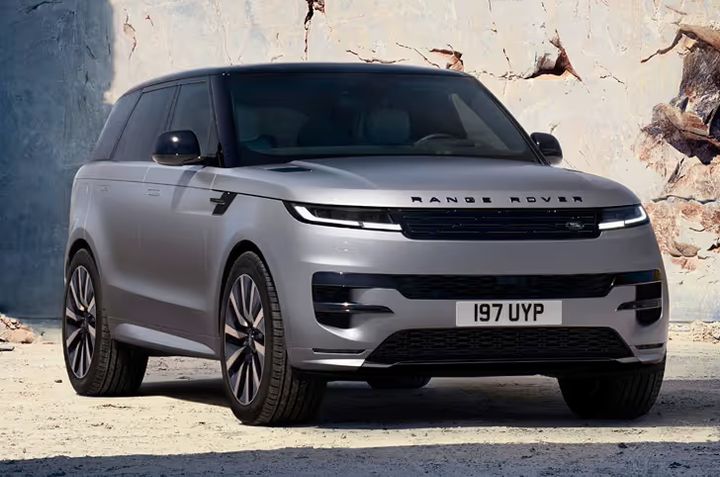
Range Rover Sport Electric: Common Questions Explained
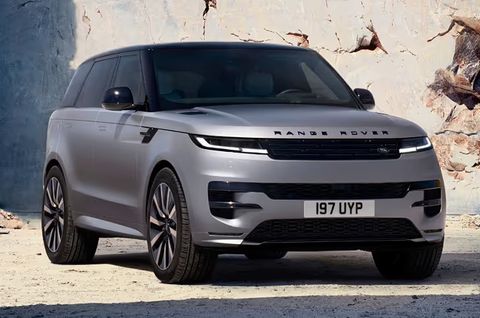
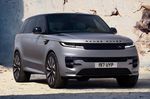
Range Rover Sport Electric is the fully electric version of the Range Rover Sport SUV. JLR confirmed its forthcoming arrival on 16 July 2026. It extends the model family with battery electric propulsion alongside existing petrol, diesel and plug-in hybrid configurations
The topic can be confusing because the words “electric” and “electric hybrid” appear across different vehicle descriptions. An electric hybrid can still contain a petrol engine. A battery electric vehicle, commonly shortened to BEV, operates using electric motors and energy stored in its rechargeable battery.
The fully electric Sport should therefore be distinguished from a Range Rover Sport plug-in hybrid. It should also be distinguished from the separate Range Rover Electric model. Similar names do not mean identical vehicles, specifications or equipment.
| Vehicle type | Main energy source | External charging | Combustion engine |
|---|---|---|---|
| Battery electric vehicle | Rechargeable battery | Required to replenish energy | No |
| Plug-in hybrid | Battery and liquid fuel | Supported | Yes |
| Conventional hybrid | Liquid fuel with electrical assistance | Usually absent | Yes |
These categories explain why an electric driving figure on a hybrid brochure cannot automatically be applied to a fully electric SUV. The US Department of Energy describes BEVs, plug-in hybrids and conventional hybrids as different powertrain types.
Importance: Why the Topic Matters Today
Understanding an electric SUV involves more than reading a range figure. Drivers need to consider charging access, journey patterns, battery health, vehicle insurance and local infrastructure together.
For households with dedicated parking, charging can become part of an overnight routine. For apartment residents, the same process may involve building permissions, a shared parking arrangement and an assessment of the electrical connection.
The subject also affects housing associations, charging operators, insurers and people planning highway travel. Each group needs different information. A housing association may focus on electrical capacity, while a driver may focus on dependable charging stops along a familiar route.
Battery electric vehicles produce no exhaust emissions at the tailpipe. Their wider environmental impact still depends on battery production, electricity generation and vehicle use. The US Environmental Protection Agency makes this distinction when explaining electric vehicle emissions. Its general findings should not be treated as an India-specific assessment of this particular SUV.
Clear information helps address three common problems:
- Confusing a plug-in hybrid with a fully electric vehicle.
- Treating an estimated driving range as a guaranteed journey distance.
- Assuming every public charger or connected feature works in every location.
Recent Updates: Announcements and Preliminary Details
The main model announcement within the past year came on 16 July 2026 at Goodwood in the United Kingdom. JLR said further details would follow later in 2026. That announcement established the fully electric Sport as a distinct addition to the line-up.
As checked on 6 October 2026, the official India product page displays the following figures. Its notes identify starred figures as manufacturer estimates pending certified test results.
| Item | Information displayed | How to interpret it |
|---|---|---|
| Electric range | Up to 609 km | Preliminary manufacturer estimate |
| Real-world range | Estimated 535 km | Route-dependent estimate |
| Battery architecture | 800 volts | Charging-related technical characteristic |
The same page contains a charging inconsistency: the headline displays 22 minutes, while nearby text states 10–80% in 10 minutes with a 350 kW charger. A single definitive charging time cannot responsibly be selected from those conflicting statements.
An India-facing webpage is useful evidence of published information, but it does not establish a nationwide delivery timetable. Model documentation and dated local announcements remain necessary for that question.
The broader Indian EV ecosystem is also changing. A government backgrounder published on 5 August 2026 discussed charging infrastructure, manufacturing programmes and the India Electric Mobility Index. These developments provide context for electric vehicle adoption; they do not confirm model-specific eligibility or availability.
When comparing updates, record the publication date, country and powertrain. An older hybrid article and a newer BEV announcement may both be accurate while describing different vehicles.
Laws and Policies: The Indian Context
This article uses India as the country context. Electric vehicle rules can differ across national programmes, state transport departments and local electricity authorities.
Electric vehicle taxation
An August 2026 government backgrounder states that electric vehicles attract a 5% GST rate. This is a general tax provision, rather than confirmation of the complete tax treatment of a particular imported vehicle. Import duties and state-level requirements involve separate rules.
Government programme eligibility
PM E-DRIVE supports specified categories and charging infrastructure. Its official portal lists electric two-wheelers, three-wheelers, ambulances, trucks, buses and charging infrastructure. A private electric SUV should not be assumed to qualify for a vehicle incentive simply because it uses a battery.
Charging installation
The Ministry of Power issued its Guidelines for Installation and Operation of Electric Vehicle Charging Infrastructure on 17 September 2024. This remains relevant background for understanding India's charging framework, although it falls outside the past-year update window. powermin.gov.in
For a home installation, ask the electricity distribution company and building management about connection requirements and permissions. A qualified electrical assessment should establish whether the proposed equipment suits the parking area and available supply.
Vehicle insurance and documents
Motor third-party insurance is mandatory in India. Electric propulsion does not remove this obligation. IRDAI identifies the mandatory nature of motor third-party insurance in its consumer material.
For electric vehicle insurance, examine the policy wording rather than assuming every battery-related incident is covered. Relevant questions include accidental battery damage, charging equipment, exclusions, deductibles and the difference between insurance protection and a manufacturer battery warranty.
Tools and Resources: Practical Ways to Check Information
Useful resources combine official model information with local charging and policy checks. A general planning tool should support understanding without being treated as a certified vehicle test.
- Official Range Rover India website: Check the exact model name, dated specifications and explanatory notes. Read the notes attached to figures as carefully as the figures themselves.
- JLR media newsroom: Use dated announcements to establish what was confirmed and when. This is particularly useful when older articles repeat earlier expectations.
- Range Rover App guidance: The official FAQ describes compatibility with the electric Range Rover models. Remote functions depend on smartphone compatibility, market availability, connectivity and sometimes an active subscription.
- Official home charging guide: Review parking and power-supply suitability before selecting equipment. The brand's guidance recommends a property assessment and professional installation for a dedicated home charger.
- PM E-DRIVE portal: Consult programme categories and current notifications before assuming eligibility.
- State transport and electricity websites: Check local requirements for registration, taxation and charging connections.
A simple spreadsheet can organise the information needed for regular travel:
| Planning field | What to record |
|---|---|
| Routine distance | Typical daily kilometres |
| Parking access | Dedicated, shared or public location |
| Charging opportunity | Available hours and compatible equipment |
| Highway stops | Main charging location and alternative stop |
| Documentation | Specification date, warranty terms and insurance details |
An energy-use worksheet can also help explain efficiency. Divide the energy recorded for a journey by the distance travelled, then multiply by 100. The result is expressed in kWh per 100 km.
For example, a hypothetical journey using 24 kWh over 100 km corresponds to 24 kWh per 100 km. This is an arithmetic illustration, not a measured result for Range Rover Sport Electric.
Keep charging-session data separate from the vehicle's driving consumption figure. Energy drawn from a charger and energy reported by the vehicle may reflect different measurement boundaries.
For longer trips, record a primary charging stop and a backup location. Confirm connector compatibility, operating hours and recent charger status before departure. A map listing alone does not establish that a charging point is accessible and working.
FAQs: Clear Answers to Common Questions
Is Range Rover Sport Electric the same as the plug-in hybrid?
No. The fully electric model uses battery electric propulsion. A plug-in hybrid combines an externally rechargeable battery with a combustion engine. Check the full powertrain description because “electric hybrid” and “fully electric” refer to different configurations.
What driving range has been published?
The India webpage displays up to 609 km and an estimated real-world figure of 535 km. These figures are conditional estimates. Journey distance varies with the route, conditions and vehicle use. They should not be presented as guaranteed outcomes.
Can the vehicle be charged at home?
Home charging is part of the brand's electric vehicle guidance. Suitability depends on parking access, an appropriate electrical supply and compatible equipment. A professional assessment is especially useful in shared buildings. Verify the requirements for the exact vehicle specification.
Does an eight-year battery warranty mean the battery lasts only eight years?
No. A warranty period defines contractual protection; it is not an automatic expiry date for the battery. Check the applicable document for time and distance limits, capacity conditions and exclusions. Battery health and remaining warranty coverage are separate questions.
Does a public charging rating guarantee the same charging speed every time?
No. A station's advertised power rating does not determine the entire charging session. Battery temperature, current charge level and equipment conditions can affect the result. The product page itself notes charging variability, alongside its conflicting headline timings.
Conclusion
Range Rover Sport Electric is a confirmed battery electric addition to the model family, with preliminary details now published. Understanding it requires attention to powertrain terminology, specification notes and the date of each announcement.
For Indian readers, charging access, vehicle insurance, battery warranty documents and local policy requirements are practical parts of the same discussion. Use official sources, keep estimates clearly labelled and check unresolved details against updated documentation. This approach supports an informed understanding without relying on promotional promises.