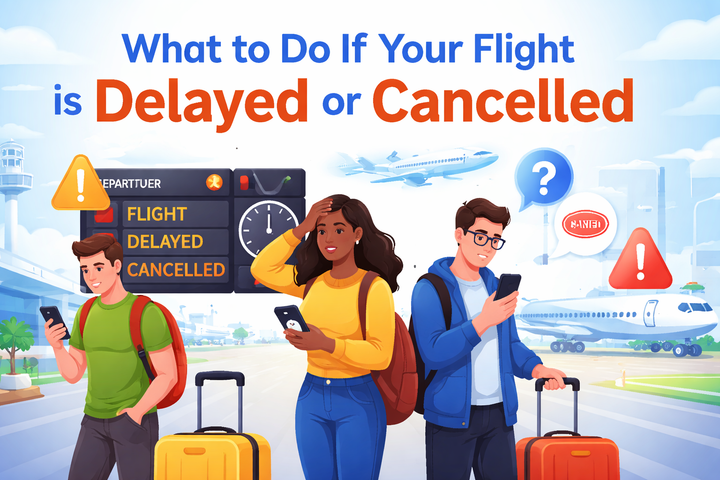
Understanding Flight Delays and Cancellations in Air Travel
Air travel depends on a highly coordinated global network involving airlines, airports, air traffic controllers, and aviation authorities. Every scheduled flight operates within a system designed to maintain safety, efficiency, and reliability. Despite careful planning, delays and cancellations sometimes occur due to operational, environmental, or technical factors.
A flight delay occurs when an aircraft departs or arrives later than the originally scheduled time. A cancellation occurs when the scheduled flight does not operate at all, requiring passengers to adjust their travel plans.
Airlines schedule thousands of flights daily across international and domestic routes. Each flight requires coordination between aircraft availability, crew schedules, airport infrastructure, and airspace management. When disruptions occur at any point in this process, flight schedules may change.
Several common situations can lead to flight delays or cancellations:
-
Severe weather conditions affecting flight safety
-
Air traffic congestion in busy airspace
-
Aircraft maintenance inspections
-
Airport operational constraints
-
Crew scheduling adjustments
Aviation systems prioritize safety above schedule adherence. When environmental or technical conditions require operational adjustments, airlines may delay or cancel flights to ensure compliance with safety regulations.
Understanding how these situations arise can help travelers interpret announcements at airports and remain informed about aviation operations.
Why Flight Disruptions Matter for Modern Travelers
Flight delays and cancellations affect millions of travelers each year. As global air traffic continues to grow, managing disruptions has become an important aspect of aviation operations.
For many passengers, a flight disruption can affect connecting flights, accommodation arrangements, business meetings, and personal travel plans. A delayed departure may also create logistical challenges at the destination airport.
Airlines and airport authorities manage these disruptions using coordinated operational systems. These systems track aircraft movement, passenger connections, and airport resources in real time.
Several groups are directly affected by flight disruptions:
-
Passengers who rely on timely travel schedules
-
Airlines responsible for maintaining operational reliability
-
Airports managing gate availability and runway operations
-
Air traffic control agencies responsible for safe airspace management
In busy aviation hubs, a delay affecting one aircraft can influence multiple flights throughout the day. For example, if an aircraft arrives late from a previous destination, its next scheduled departure may also shift.
These situations demonstrate how interconnected aviation schedules can be.
Modern aviation management increasingly relies on predictive systems that analyze weather patterns, aircraft turnaround times, and traffic density. These systems help reduce disruptions and improve schedule reliability.
Recent Developments in Managing Flight Delays
Over the past year, aviation organizations and airlines have introduced several operational improvements aimed at reducing disruptions and improving passenger communication.
In 2025, multiple international airports expanded the use of collaborative decision-making systems. These digital platforms allow airlines, airports, and air traffic controllers to share operational data in real time.
This coordinated approach helps improve schedule adjustments when disruptions occur.
Airlines have also expanded the use of predictive analytics to anticipate operational challenges. By analyzing historical flight data and weather patterns, airlines can forecast congestion levels and adjust schedules proactively.
Several industry developments reported in the past year include:
-
Expanded use of AI-assisted air traffic flow monitoring
-
Improved real-time aircraft tracking systems
-
Enhanced airport passenger information platforms
-
Integration of advanced weather prediction tools for aviation
These technologies help aviation professionals respond more quickly to disruptions and communicate schedule updates to passengers.
Airports have also introduced improved digital display systems that provide clearer information regarding gate changes, boarding updates, and estimated departure times.
Aviation Regulations and Passenger Protection Policies
Flight delays and cancellations are governed by aviation regulations designed to ensure transparency and passenger awareness. These regulations are managed by national aviation authorities and international organizations.
Several major aviation regulators include:
-
Federal Aviation Administration (FAA) in the United States
-
European Union Aviation Safety Agency (EASA) in Europe
-
Directorate General of Civil Aviation (DGCA) in India
-
Civil Aviation Authority (CAA) in several countries
These authorities define safety standards, operational requirements, and passenger communication guidelines for airlines.
In India, the DGCA Passenger Charter outlines airline responsibilities when flights are delayed or cancelled. The charter emphasizes passenger communication and information transparency.
Key areas addressed by aviation regulations include:
-
Notification procedures for schedule changes
-
Passenger information communication
-
Operational safety requirements
-
Airport assistance guidelines
Airlines typically provide updates through digital notifications, airport announcements, and online flight status platforms.
These policies help ensure that passengers remain informed about schedule changes and airport procedures.
Useful Tools and Resources for Tracking Flight Status
Travel technology has made it easier for passengers to monitor flight schedules and aviation conditions in real time. Several digital platforms provide live information about aircraft movement, airport operations, and weather patterns.
Below is an overview of common travel information resources used by passengers.
| Tool Type | Function |
|---|
| Flight tracking platforms | Show aircraft location and estimated arrival time |
| Airport mobile apps | Display gate information and terminal maps |
| Airline apps | Provide schedule notifications and boarding updates |
| Weather monitoring platforms | Track aviation-related weather conditions |
| Travel planning tools | Help organize multi-flight itineraries |
These platforms collect data from aviation networks and present it in user-friendly dashboards.
Passengers can use these tools to monitor departure status, track aircraft arrival times, and check airport updates before traveling.
Many airlines also provide automated notifications through mobile applications and email alerts when flight schedules change.
In addition, several airports offer official mobile applications that provide navigation assistance, terminal maps, and real-time flight displays.
Key Steps Travelers Can Consider During Flight Disruptions
When flight schedules change, passengers can follow several practical steps to remain informed and manage travel plans efficiently.
Travel awareness plays an important role in navigating disruptions.
Common actions that help travelers stay informed include:
-
Monitoring flight status through airline or airport platforms
-
Checking airport display boards for schedule updates
-
Reviewing airline notifications through mobile apps
-
Confirming gate assignments and boarding updates
Staying informed about airline announcements and airport information systems helps travelers understand the current status of their flight.
Travel planning tools also help passengers monitor connecting flights and airport transfer times.
Typical Causes of Flight Delays and Cancellations
Understanding the underlying causes of disruptions helps travelers interpret aviation announcements.
| Cause | Description |
|---|
| Weather events | Severe storms, heavy fog, or strong winds |
| Air traffic congestion | High aircraft movement in busy airspace |
| Technical inspections | Aircraft safety verification procedures |
| Airport operations | Runway maintenance or ground handling adjustments |
| Crew duty regulations | Operational limits for pilot and crew schedules |
Weather remains one of the most significant factors affecting aviation schedules. Even if the departure airport experiences clear conditions, weather at the destination airport or along the route can influence flight timing.
Air traffic congestion also contributes to delays, particularly in major metropolitan airports with high passenger demand.
Frequently Asked Questions About Flight Delays and Cancellations
Why do flights sometimes get cancelled instead of delayed?
In certain situations, airlines determine that operating the flight safely or efficiently is not possible. In such cases, cancellation allows airlines to reorganize aircraft schedules and passenger itineraries.
How can travelers check whether their flight is delayed?
Passengers can check flight status using airline mobile applications, airport websites, or digital flight tracking platforms that provide real-time updates.
Do delays always originate from the departure airport?
No. Delays may occur earlier in the aircraft’s daily schedule. If the aircraft arrives late from another destination, the next scheduled flight may also depart later.
Can airport congestion affect flight schedules?
Yes. In busy airports, aircraft must wait for runway clearance or gate availability. Air traffic control systems coordinate aircraft movement to maintain safe separation distances.
What type of information do airlines usually provide during disruptions?
Airlines typically provide updates regarding:
These updates are communicated through airport announcements and digital platforms.
Conclusion
Flight delays and cancellations are part of the complex global aviation system. Air travel depends on coordinated operations involving airlines, airports, air traffic controllers, and regulatory authorities. When disruptions occur, safety and operational reliability remain the highest priority.
Various factors—including weather conditions, air traffic congestion, technical inspections, and airport infrastructure—can influence flight schedules. Aviation authorities establish regulations that guide how airlines communicate schedule changes and maintain transparency with passengers.
Technological advancements such as predictive analytics, real-time flight tracking systems, and improved airport information platforms are helping reduce disruptions and improve passenger awareness.
By understanding how aviation systems operate and how delays occur, travelers can approach air travel with greater awareness and preparation. Access to reliable information tools and aviation resources enables passengers to stay informed about flight schedules and airport operations, helping them navigate travel disruptions more effectively