Where to Stay in Madrid: Neighborhood Guide, Prices & Travel Insights
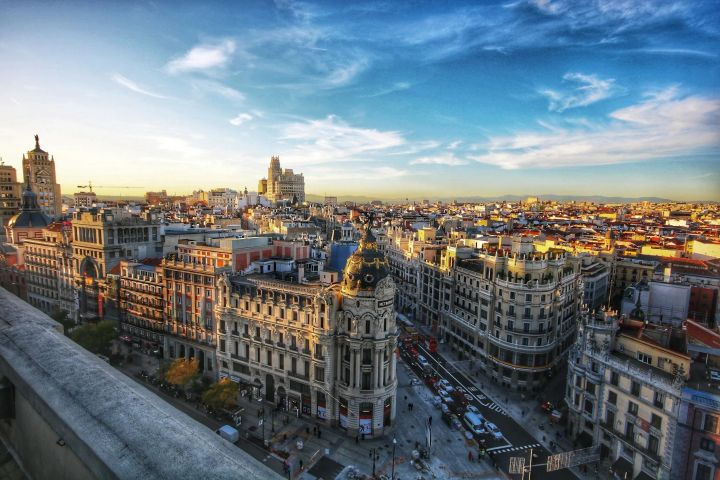
Choosing where to stay in Madrid is an important part of travel planning. Madrid is Spain’s capital and one of Europe’s most visited cities, known for its history, museums, food culture, and diverse neighborhoods. The city is made up of districts with distinct characteristics, layouts, and atmospheres, which influence the overall visitor experience.
This topic exists because accommodation location shapes how travelers move around the city, what they see, and how they experience daily life. Madrid’s public transport system makes many areas accessible, but each neighborhood still offers a different pace, environment, and proximity to attractions.
Over time, travel guides shifted from focusing only on central landmarks to explaining neighborhood-level differences. This helps visitors align their stay with personal interests such as culture, nightlife, quiet residential areas, or proximity to green spaces.
Why Choosing the Right Area Matters Today
Madrid welcomes international visitors, students, remote workers, and short-term travelers throughout the year. With increasing visitor numbers, understanding neighborhood options has become more relevant.
This topic matters because it helps travelers:
-
Reduce daily travel time by staying near preferred activities
-
Match expectations related to atmosphere and surroundings
-
Plan realistic itineraries based on walkability and transport links
-
Avoid overcrowded areas during peak travel periods
Different groups benefit in different ways. First-time visitors often prefer central areas for sightseeing. Families may prioritize calmer districts with parks. Long-stay travelers often look for residential neighborhoods with local amenities.
Clear neighborhood knowledge helps solve common planning problems such as staying too far from attractions or choosing an area that does not match travel goals.
Recent Updates and Travel Trends in Madrid
Over the past year, Madrid has seen several developments that affect where visitors choose to stay.
Visitor distribution focus (early 2024)
In early 2024, city tourism strategies emphasized spreading visitors beyond the historic center. This brought increased attention to districts outside the core sightseeing zones.
Improved transport connectivity (mid-2024)
Public transport upgrades, including metro station improvements and expanded bus routes, made outer neighborhoods more accessible for visitors.
Short-term accommodation regulation impact (late 2024)
Changes in oversight of short-term rentals influenced availability patterns in central districts, encouraging travelers to explore alternative neighborhoods.
Travel outlook entering 2025
By late 2024, travel reports suggested steady demand for Madrid across all seasons, with growing interest in cultural and residential areas rather than only landmark-focused stays.
Table: General Neighborhood Types in Madrid
| Neighborhood Type | Typical Characteristics |
|---|---|
| Historic center | Walkable, cultural sites |
| Cultural districts | Museums, galleries |
| Residential areas | Local lifestyle, quieter |
| Business zones | Modern infrastructure |
Laws, Regulations, and Local Policies
Accommodation choices in Madrid are shaped by national and local regulations aimed at balancing tourism with residential life.
Short-term rental rules
Madrid has updated oversight of tourist accommodations, particularly in central areas. These measures affect where short stays are concentrated.
Zoning and housing policies
Local zoning rules influence how properties are used, which impacts neighborhood availability and density.
Tourism management initiatives
City-level programs aim to manage visitor flow and reduce overcrowding, indirectly shaping recommended areas for stays.
Safety and registration requirements
Accommodation providers must follow registration and reporting rules, which help authorities monitor tourism activity.
Table: Policy Areas Affecting Accommodation Choices
| Policy Area | Influence |
|---|---|
| Rental regulations | Availability patterns |
| Zoning rules | Neighborhood use |
| Tourism management | Visitor distribution |
| Safety requirements | Standard compliance |
Useful Tools and Planning Resources
Several tools help travelers compare neighborhoods and plan where to stay in Madrid.
Mapping and location tools
-
Interactive city maps with district boundaries
-
Walking-time and transit-time estimators
-
Attraction proximity planners
Travel research platforms
-
Neighborhood overview guides
-
Public transport network maps
-
Seasonal crowd level summaries
Official and educational references
-
Madrid city tourism portals
-
Transport authority websites
-
Cultural district guides
Comparison table: Central vs. Outer Neighborhood Planning
| Aspect | Central Areas | Outer Areas |
|---|---|---|
| Walkability | Very high | Moderate |
| Local atmosphere | Visitor-focused | Residential |
| Transport reliance | Lower | Higher |
Frequently Asked Questions
Which areas are popular for first-time visitors?
Central neighborhoods near major landmarks are often chosen for their walkability and access to museums and historic sites.
Are quieter neighborhoods still well connected?
Yes. Madrid’s metro and bus systems connect many residential districts efficiently to the city center.
Does neighborhood choice affect daily travel time?
Yes. Staying closer to planned activities can reduce transit time and simplify itineraries.
Are some areas better for longer stays?
Residential neighborhoods with local markets and parks are often preferred for extended visits.
Does season influence where people stay?
Yes. During peak travel months, visitors may consider less central areas to avoid congestion.
Conclusion
Deciding where to stay in Madrid involves more than proximity to landmarks. Neighborhood character, transport access, travel trends, and local policies all shape the visitor experience. Understanding these factors helps travelers choose areas that align with their interests, schedules, and comfort preferences.
Recent updates in transport, tourism management, and accommodation oversight have expanded the range of suitable neighborhoods for visitors. With clear planning tools and neighborhood insights, travelers can approach their Madrid stay with confidence and realistic expectations.
A neutral, informed approach to choosing accommodation locations supports smoother travel experiences and a deeper connection to the city’s diverse districts.